

Strawberry Farming
Strawberry farming is a good place to start, if you have an acre or two of empty ground and want to try your hand at agriculture.
Strawberry plants are relatively easy to grow, and demand for fresh berries is always high. Similarly, if you are already growing other crops and are looking for a new plant to add to your farm, then you may want to consider it.
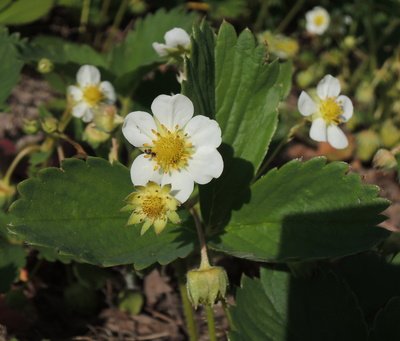
Ruth Rudolph / pixelio.de
Strawberries are a farmer-friendly plant for several reasons. They are perennials, and the plants only need to be replaced about every six to eight years, so there is less physical work involved than there is with other types of plants.
Strawberries reproduce by runner development, so you'll only need to buy plants one time. Their growing season is also relatively short, so strawberry farming involves fewer labor-intensive days than other crops.
However, there are also some definite drawbacks: The most difficult thing about growing strawberries in large numbers is that they're susceptible to many pests and diseases.
It's critical that you buy certified disease-free plants, and you'll need to develop an integrated pest management system if you want high yields.
Strawberries are tolerant of a wide variety of soil and weather conditions, but farmers who can provide fertile, well-drained soil, in an environment where the winters don't get too cold or the summers too warm, will have the most success with strawberry farming.
Like any sort of farming, this is hard work. The thought of earning a living by growing your favorite fruit might sound tempting, but it's not a decision that you should make lightly.
Growing enough fruits to earn a profit involves having enough land, renting machinery, and hiring workers.
Experienced farmers will be more successful than hobby gardeners--but if you've decided that you're going to farm, then strawberries are a wonderful way to get started.
Return from Strawberry Farming to Growing Strawberries